5 Amazing tips about Title Tags Simply
In the ever-evolving world of search engine optimization, Title Tags remain one of the most powerful yet underestimated tools for ranking higher and grabbing user attention. A title tag acts as a digital handshake — it’s the first thing searchers see, and it determines whether they’ll click or keep scrolling.
According to the insightful article 5 Amazing tips about Title Tags, crafting optimized title tags can make or break your organic visibility. When done right, they boost click-through rates, enhance brand perception, and communicate page relevance to Google’s algorithms.
With Google continuously refining how it displays titles in SERPs, understanding the nuances of title tag optimization in 2025 is more critical than ever. Let’s explore five brilliant tips that blend creativity, SEO science, and data-driven strategy to make your titles shine.


Understand What Makes a Great Title Tag
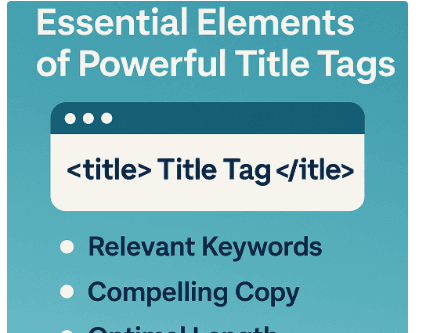
The foundation of strong Title Tags lies in balancing clarity, keywords, and curiosity. A great title should tell both search engines and users exactly what the page is about — but in a way that sparks interest.
Key elements of a winning title tag:
Relevance: Your title should accurately reflect the content on the page. Misleading users can increase bounce rates, which harms rankings.
Keyword Placement: The primary keyword, like “Title Tags,” should appear at the beginning of your title whenever possible.
Length: Keep it between 50–60 characters to ensure it displays properly in search results.
Emotion & Power Words: Use terms like Ultimate, Proven, Expert, Essential, or Simple to make your title more clickable.
For instance, “5 Proven Tips for Effective Title Tags” is both keyword-rich and user-friendly.
Combine your primary keyword with a value-driven phrase to increase CTR.
This concept aligns with strategies discussed in How to Write Meta Description Best suited for SEO, which emphasizes user intent and clarity across meta elements — not just title tags.
Remember, your title tag isn’t just a label. It’s a micro-advertisement for your page. Treat it as your chance to persuade users before they even visit your site.
Use Strategic Keywords in Title Tags Without Stuffing
Using keywords strategically within your content can significantly improve visibility — but overusing them is a classic SEO mistake. In 2025, Google’s algorithms can easily detect and penalize keyword stuffing. The art is in blending relevance with readability.
Start by identifying one primary keyword (like “Title Tags”) and one or two supporting keywords that complement it, such as SEO titles, meta tags, or search visibility.
Here’s how to do it right:
Front-load the main keyword – Begin your title with “Title Tags” or closely related terms.
Add emotional or power adjectives – Examples: “Perfect,” “Amazing,” “Effective.”
Keep it human – Always write for people first and search engines second.
You can learn more about how keyword integration affects SEO success in The importance of the Keyword as a factor of Google Rank, which highlights how title tags guide search engines in understanding content focus.
Example of an optimized title tag:
“5 Effective Title Tag Strategies to Skyrocket Your SEO Results”
This method keeps your title concise, relevant, and appealing while signaling to search engines exactly what to expect.
When used properly, title tags act as digital magnets — attracting both algorithms and audiences. They remain among the top three ranking factors for on-page SEO performance.
Align Title Tags with Content Intent and User Behavior
You should always reflect not just what your content says, but what your audience wants. Titles that match user intent tend to rank higher and achieve better click-through rates.
For instance, if your article provides step-by-step instructions, your title might include words like “Guide,” “Steps,” or “Tutorial.” On the other hand, if your post discusses trends, “Latest,” “Trends,” or “Insights” may perform better.
User behavior analytics tools like Google Search Console and Ahrefs can show you which titles attract more clicks — even when ranking lower. That’s because relevance and curiosity are powerful motivators.
You can combine this with broader SEO best practices from 5 Basic SEO Tips To Improve Your Website, which emphasizes crafting user-centric on-page elements, including title tags, for maximum engagement.
Example:
If you notice users searching “how to optimize title tags,” your page should feature this phrase either in your title or subheadings. This makes it easier for Google to match your content with the exact intent behind user queries.
Bottom Line: A perfect title tag isn’t just optimized — it’s empathetic. It understands user psychology and aligns perfectly with what readers expect to find on your page.
Keep Title Tags Unique Across All Pages
One of the most common SEO mistakes businesses make is reusing the same content across multiple pages. This creates confusion for both users and search engines, leading to keyword cannibalization and reduced click-through rates.
Each page on your website deserves its own identity. Unique title tags help Google understand what makes each page valuable and distinct.
Key tips for creating unique Title Tags:
Use descriptive language — Summarize what’s special about the content.
Avoid duplication — No two pages should have identical titles.
Incorporate differentiators — Add unique elements like year, brand, or target audience.
For example:
“Best SEO Tools for Beginners (2025 Edition)”
“Advanced SEO Strategies for E-commerce Brands”
Both examples use clear keywords but target different user intents.
Pro Insight: Search engines treat duplicate titles as a signal of poor site architecture. Always audit your Title Tags during regular SEO maintenance.
Creating unique titles also supports stronger internal linking, helping Google distribute ranking authority more effectively among your pages. When your titles are distinct yet connected by thematic relevance, you build a cohesive and authoritative site structure.
Test and Optimize Your Title Tags Continuously
Optimization doesn’t stop after publishing. In 2025, top marketers rely heavily on A/B testing to determine which title variations perform best.
How to A/B test your Title Tags effectively:
Change one element at a time — such as word order, adjectives, or numbers.
Use CTR and bounce rate data to measure performance.
Monitor results for at least two weeks before making conclusions.
Reapply winning formulas across similar pages.
Even small tweaks, like replacing “Top” with “Best,” can yield a significant increase in CTR.
Platforms like Google Search Console and Ahrefs provide detailed insights into how users interact with your titles. Continuous optimization ensures your Title Tags stay competitive in ever-changing search landscapes.
If “5 Amazing Tips About Title Tags Simply” achieves a higher CTR than “5 Title Tag Optimization Tips,” it signals that emotional appeal matters as much as keyword usage.
By testing regularly, you’ll uncover patterns that elevate your SEO results long-term — such as ideal title lengths, emotional triggers, and audience preferences.
Common Mistakes to Avoid When Writing Title Tags
Even experienced marketers make simple but costly mistakes when it comes to Title Tags. Understanding these pitfalls can save you from ranking drops and missed opportunities.
Common Mistakes:
Keyword Stuffing: Repeating the same keyword excessively makes titles look unnatural.
Vague Titles: “Home” or “Welcome” tells users nothing about your page.
Overly Long Titles: Anything beyond 60 characters risks being truncated in search results.
Ignoring Branding: Add your brand name when relevant, especially for authoritative pages.
Lack of Emotion: Titles that sound robotic fail to attract clicks.
Example of a Perfectly Balanced Title:
“10 Proven Title Tag Strategies to Boost Google Rankings – Expert SEO Guide”
Avoiding these mistakes will not only improve your organic performance but also enhance user trust and engagement.
Advanced Strategies for High-Impact Title Tags
Once you’ve mastered the basics, it’s time to take your Title Tags to the next level with data-driven and creative enhancements.
Advanced Tips:
Leverage AI Tools: Use AI-powered SEO tools to generate title suggestions based on trending queries.
Include Numbers & Dates: Phrases like “Top 7” or “(2025 Update)” increase perceived freshness.
Add Emotional Words: Terms like amazing, proven, expert, and simple create emotional triggers.
Optimize for Mobile SERPs: Keep your titles concise and readable on smaller screens.
Integrate Schema Markup: Helps search engines better understand your content structure.
A data-backed study by SEO specialists shows that pages with emotionally engaging titles see up to 30% higher CTR compared to generic titles.
This is why continuously refining and personalizing your Title Tags remains a vital strategy for standing out in competitive search results.
How Title Tags Impact Overall SEO Performance
Your are not isolated elements — they influence multiple aspects of SEO, including on-page optimization, CTR, and brand trust.
When your titles are aligned with the content, meta descriptions, and keywords, you create a synergistic effect that amplifies your visibility.
Key Impacts:
Higher Click-Through Rates: Compelling titles attract more clicks from SERPs.
Improved Ranking Signals: Google evaluates engagement metrics to determine relevance.
Enhanced Brand Recall: Users often remember catchy, concise titles.
By consistently applying the best practices covered in this article, you can ensure your Title Tags remain a strong pillar of your SEO strategy well into the future.

FAQs About Title Tags
1. What are Title Tags in SEO?
Title tags are HTML elements that define the title of a webpage, shown in search results and browser tabs. They’re essential for SEO and user engagement.
2. How long should a Title Tag be?
Ideally between 50–60 characters, ensuring full display on SERPs.
3. Can I use my brand name in Title Tags?
Yes — especially for homepages or product pages. It enhances trust and brand recognition.
4. How often should I update Title Tags?
Review them quarterly or after major Google updates to ensure relevance.
5. Should every page have a unique Title Tag?
Absolutely. Unique tags help search engines differentiate between pages and avoid content overlap.
6. Do Title Tags affect Google rankings directly?
Yes. While not the only factor, optimized title tags strongly influence organic ranking and click-through rates.
7. Can I include dates or numbers in my Title Tags?
Yes — they improve visibility and convey freshness to both users and search engines.
8. How do Title Tags differ from Meta Descriptions?
Title Tags appear as clickable headlines in search results, while meta descriptions summarize the content below them.
9. Are Title Tags important for mobile SEO?
Definitely. Mobile-friendly, concise titles ensure better readability and user experience.
10. What’s the biggest mistake beginners make with Title Tags?
Overstuffing keywords or using vague titles that don’t reflect the content. Always prioritize clarity and user intent.
Conclusion
In today’s competitive digital space, serve as both a technical SEO signal and a psychological trigger for engagement. They represent the perfect balance between art and analytics — the art of crafting compelling messages and the science of optimizing for search visibility.
A well-written title tag doesn’t just help your page appear in search results; it helps it stand out. It can be the difference between being overlooked and being clicked. With the right combination of clarity, relevance, emotional appeal, and keyword placement, your titles can dramatically boost organic performance.